Quick description
A passion project that turned into a profitable side hustle.
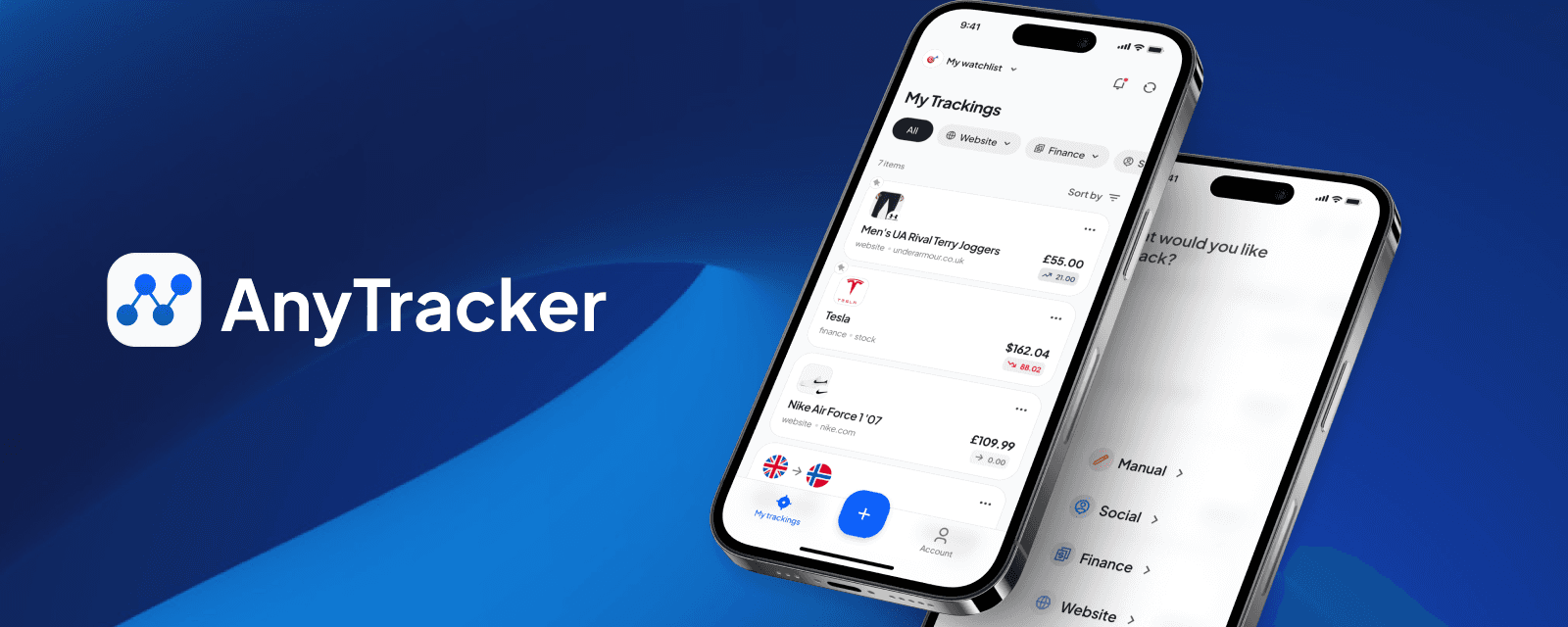
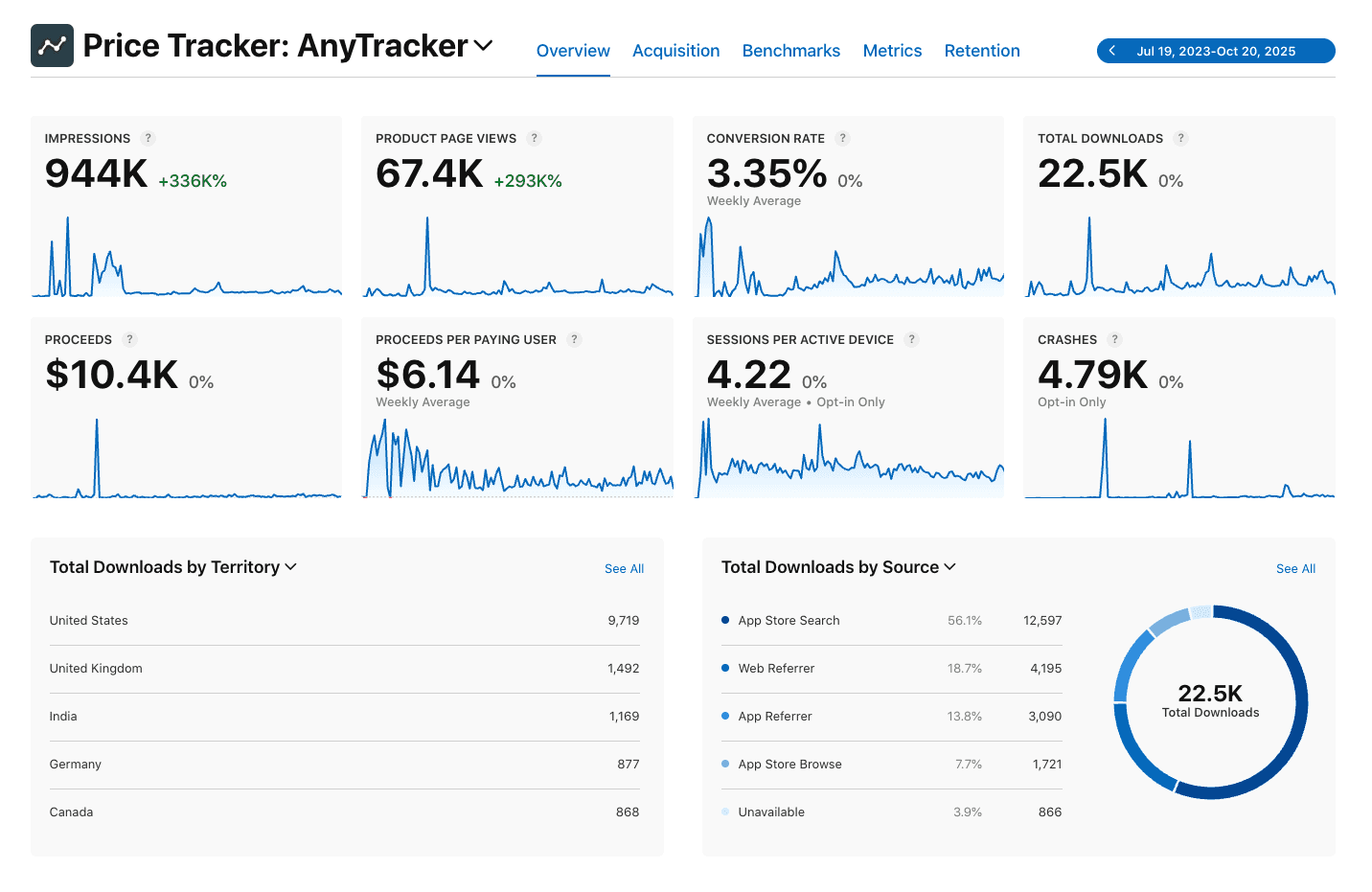
Anytracker is a flexible little app that lets you track just about anything online — prices, currency rates, crypto, headlines, parcel updates, follower counts, and more. If it has text or numbers on a website, chances are you can track it. Think of it as a Swiss Army knife for internet tracking. Used by over 10,000 users worldwide. Downloaded for over 100,000 from both iOS and Android.
ROLE
Designer, Researcher, Marketing
RESPONSIBILITIES
UI, UX, ASO marketing, social media, branding, Research, QA, Community management, sales
TEAM
Me, Shervin Koushan
TIMEline
2022 (6mo to MVP)
TLDR
AnyTracker is an app that helps people stop overpaying online by tracking product prices over time and alerting them when prices drop. Built from a personal frustration during COVID, it grew into a real product with 10,000+ users worldwide.
The problem
Online “deals” are noisy and misleading. Prices fluctuate constantly, discounts feel arbitrary, and users have no context to know whether a price is actually good. Mailing lists and deal alerts create more confusion than clarity.
The solution
AnyTracker shows users the historical price of products across online stores and notifies them only when prices genuinely drop.
The outcome
A fully shipped product with 10,000+ users, with ~12% users subscribed as paying users. Earned over $10K to date.
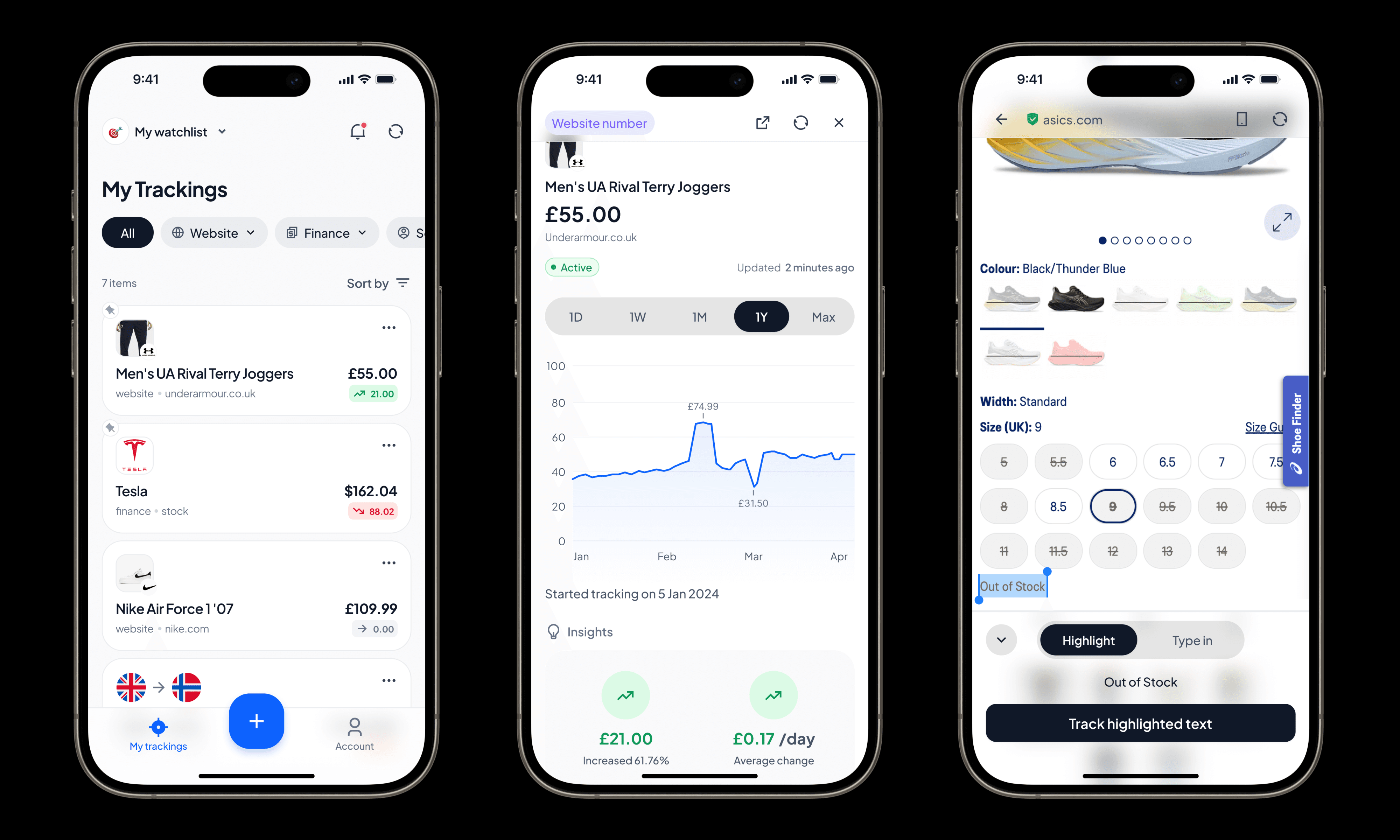
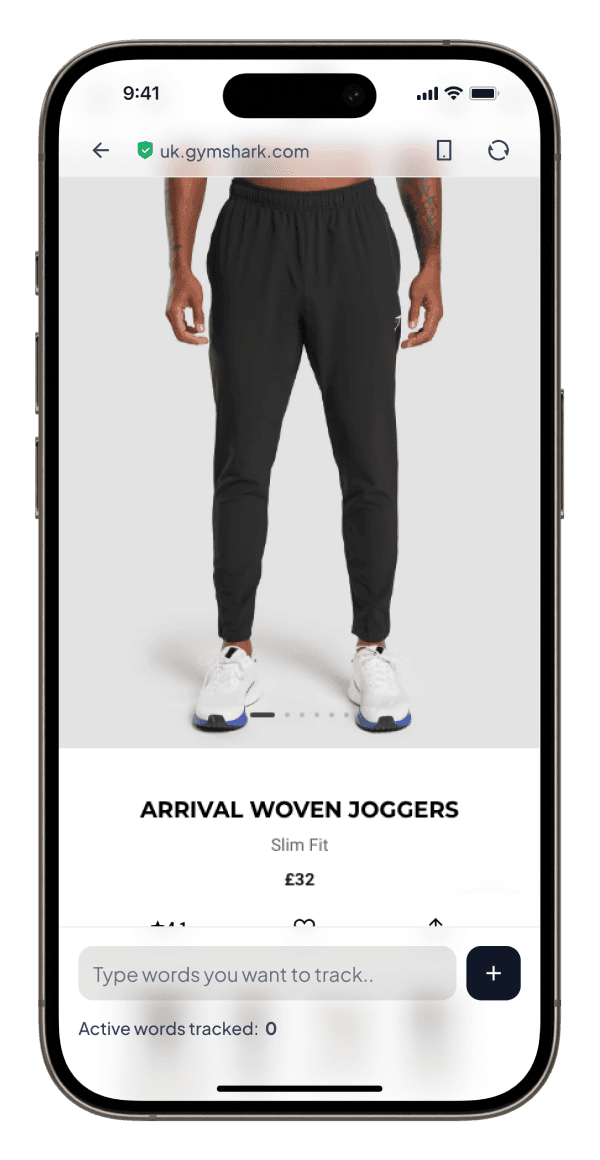
A quick demo on how it works
How it started
Like most people, I love a good deal.
This was during COVID, when online shopping became the default for pretty much everything. One day, I went to buy my usual protein shake, and I noticed the price had gone up a lot. I couldn’t tell if it was genuinely expensive or if this was just the new normal. I was happy to wait for a “good deal”, but I had no idea what a good price even looked like anymore.
So I did what everyone does: I signed up for the brand’s mailing list.
What followed was a flood of emails. “Big sale.” “Limited time offer.” “Huge discount.”
Except… none of them actually felt like good deals. Prices were jumping around so much that every discount felt meaningless. I just wanted a simple answer to one question:
Has this ever been cheaper than this?
That’s when the idea clicked.
When you buy stocks, you can see the full price history. You know the highs, the lows, and whether now is a good time to buy. I remember thinking:
Why doesn’t this exist for everyday online products?
So I went looking.
I searched everywhere. Websites, apps, Chrome extensions, bits of software that kind of did this, but nothing solved the problem in a simple, trustworthy way. Everything felt clunky, limited, or missing the point.
At that stage, curiosity turned into obsession.
I posted the idea on Reddit. I put up a basic landing page to see if anyone else felt the same pain. And that’s when something unexpected happened: an engineer from Norway reached out. He’d been thinking about the exact same problem.
We started talking. Then sketching ideas. Then building.
Despite never meeting in person, we ended up collaborating across countries to turn a shared frustration into a real product. And that’s how AnyTracker began.
Challenge
How might we track prices reliably without requiring users to sign up or commit upfront?
How might we create a platform that works for every website?
How might we show price history in a way that's instantly understandable?
Early on, we explored different platforms, including a Chrome extension. We ultimately chose to build a mobile app first. This decision was driven by two things: speed of execution and long-term maintainability. We were both more familiar with mobile development, and a native app allowed us to move faster while maintaining control over the experience.
Through early research and conversations, one insight became clear: Although the idea could theoretically extend beyond prices, users overwhelmingly wanted price tracking. They didn’t want to track “numbers” in general, they wanted clarity around whether something was worth buying right now.
That insight helped narrow the scope significantly.
Instead of exploring endless possibilities, we focused the first iteration on solving price tracking extremely well. This meant prioritising:
Browsing experience within an in-app browser
Seamless transfer from Safari or Chrome into AnyTracker
Clear highlighting of detected prices
Automatic number detection on modern websites
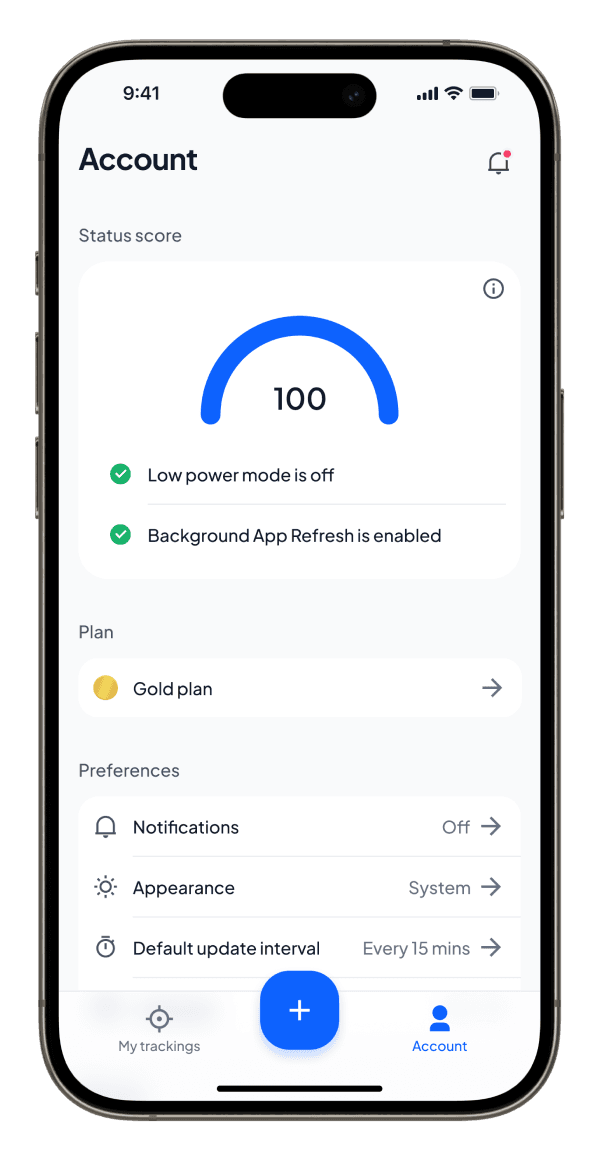
A key technical and product constraint emerged during this phase: for background tracking to work reliably, users could not enable aggressive power-saving modes. This insight influenced how we communicated expectations, designed defaults, and tested edge cases early, before committing to full development.
Rather than rushing into building, we validated these assumptions through multiple experiments and iterations, which helped de-risk the core experience before launch.
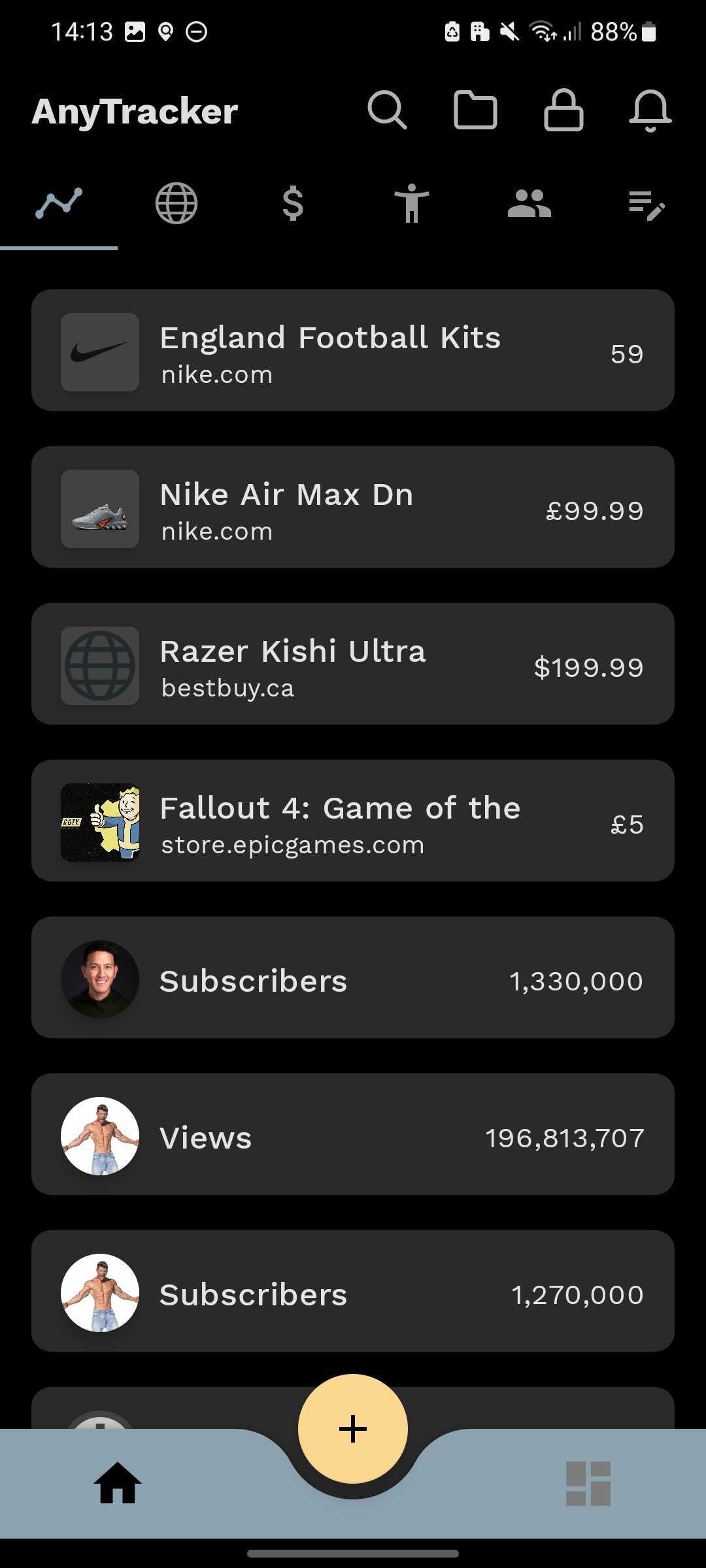
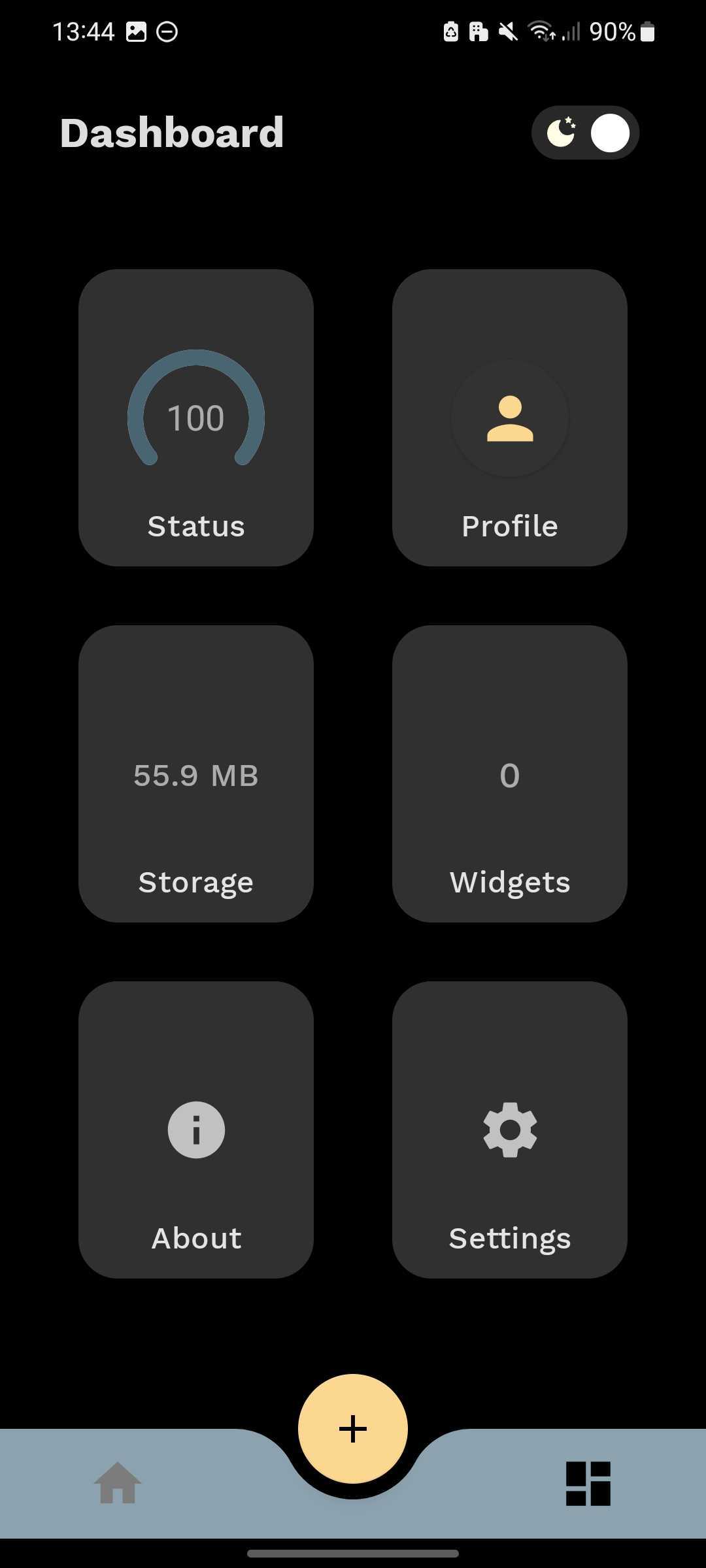
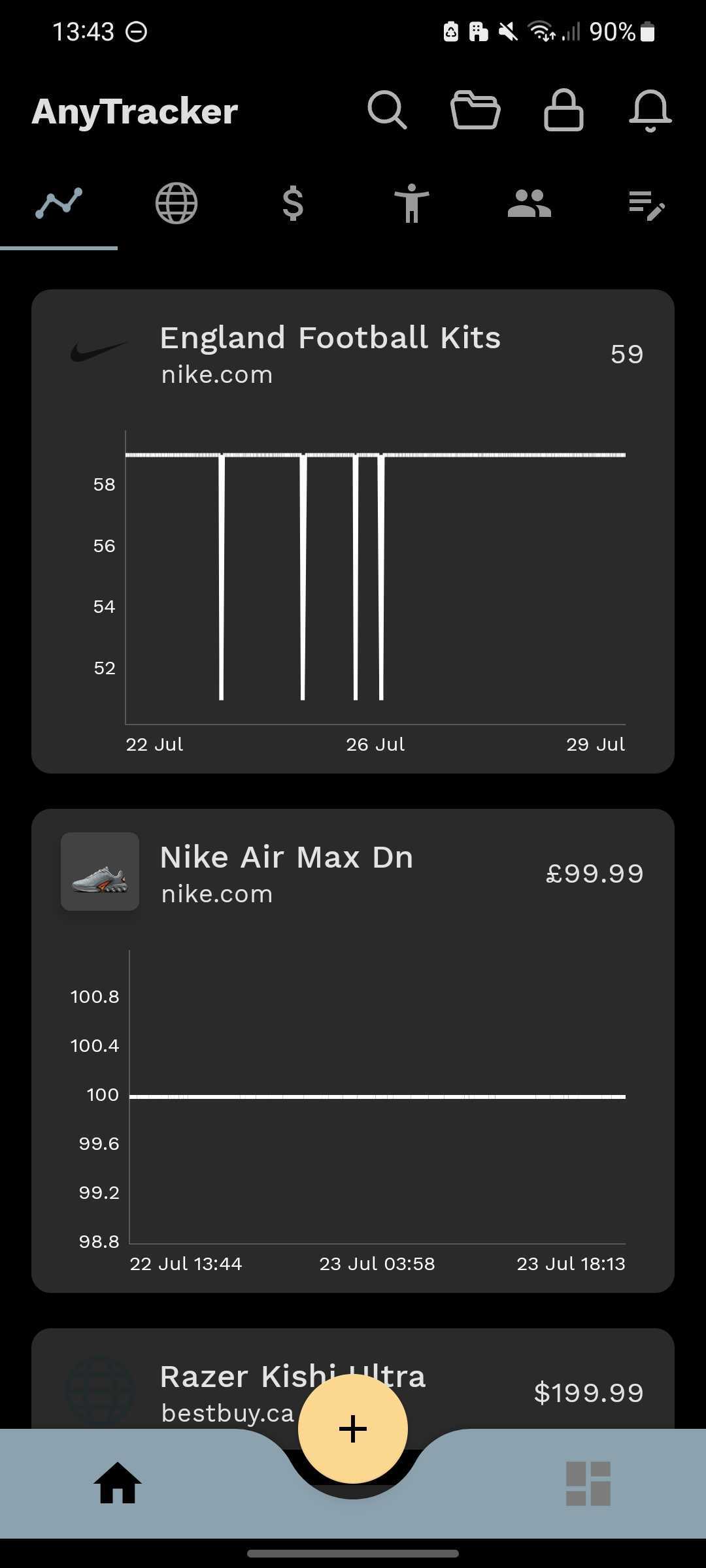
Early days prototypes and functionalities experiments
Result
AnyTracker launched publicly in mid 2022 as a simple MVP.
Within the first few months, the app gained hundreds of users organically, driven largely by word of mouth. To reward early adopters and encourage feedback, we offered a lifetime plan, which proved effective both as an incentive and a growth lever.
We also launched a public feedback board to be transparent about what we were building and to show users that their feedback directly influenced the roadmap. This helped build trust early and contributed to steady growth in the months that followed.
The product was marketed with close to £0 spend, relying almost entirely on organic channels such as Reddit, Discord, and Twitter. The design itself became a marketing asset.
As momentum grew:
A prominent YouTube channel (HowToMen) featured AnyTracker, leading to the largest spike in downloads to date
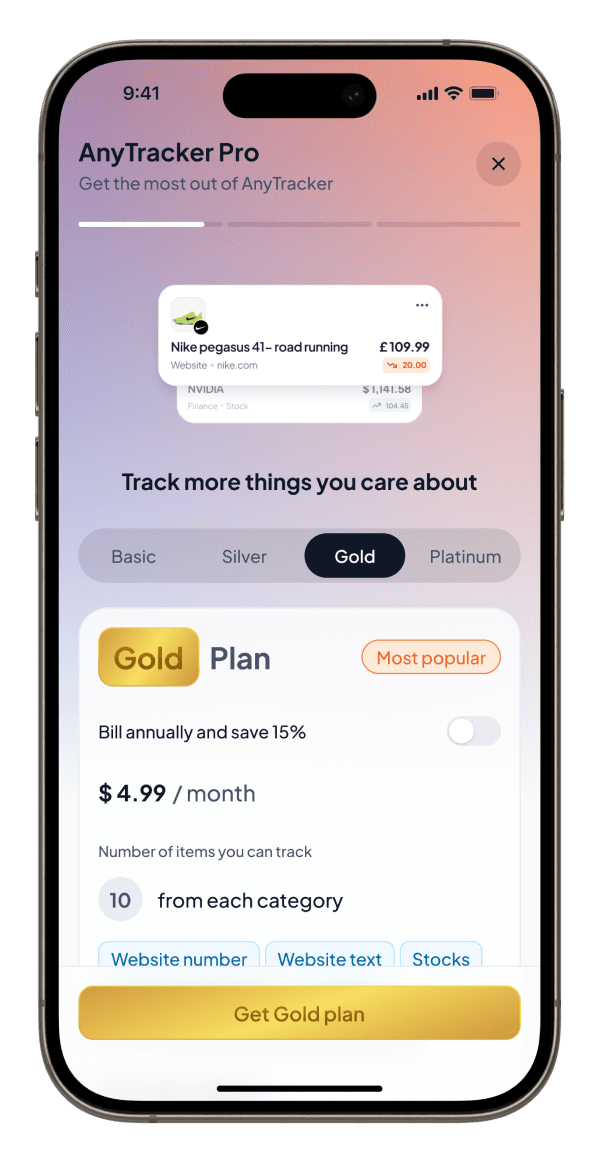
The paywall design gained traction on Reddit and went viral due to its effectiveness, simplicity and good UI
A supermarket in Argentina tweeted about AnyTracker, triggering unexpected adoption and growth across the LATAM region
These moments reinforced that the product resonated globally, despite being built by a very small team.
Improvements
Key improvements explored between 2023- now:
Flexible monetisation
Introducing a dual-tier pricing model with pay-as-you-go credits for users who prefer not to subscribe monthly. Currently contributing ~10% of increased revenue.
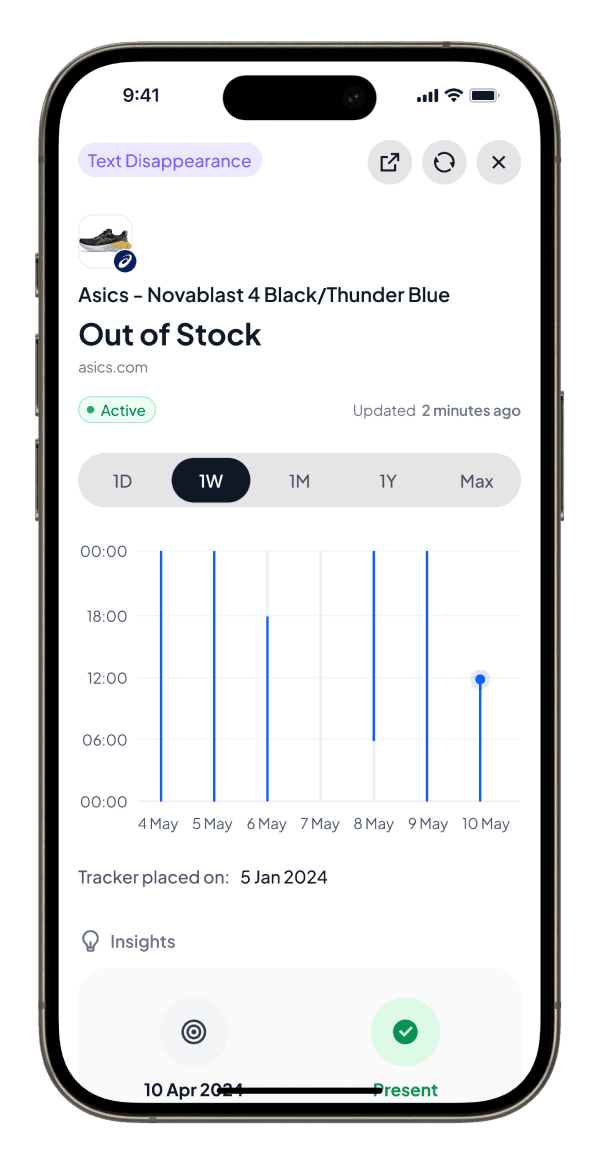
Text tracking (non-numeric)
Expanding beyond prices to track text changes on webpages. Mostly it's now used for:
Text appearance on webpage (“out of stock” → available)
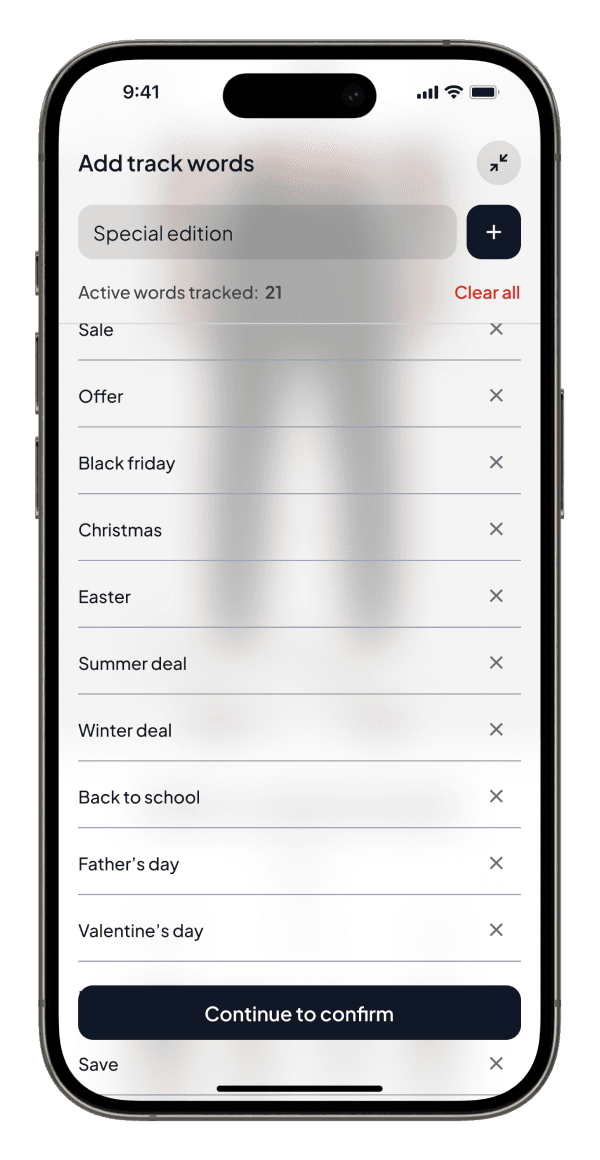
Text disappearance on webpage (“Black Friday”, “50% off” appearing on page)
News headlines and content changes
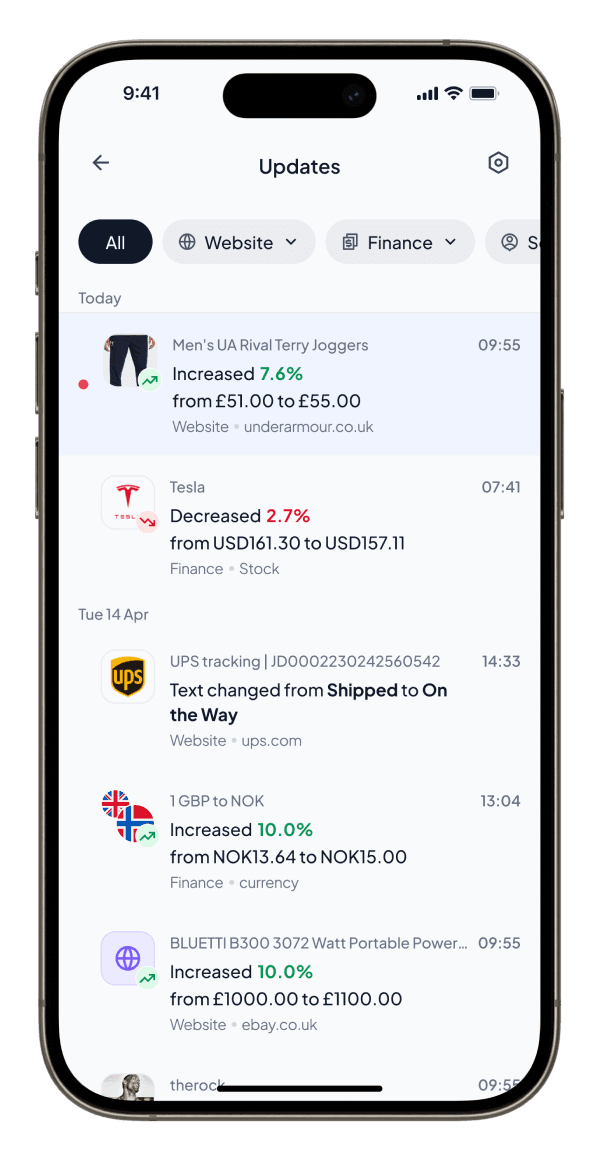
Courier status change (ordered → dispatched)
Social metrics tracking
Introduced social media follower and subscriber tracking, which drove significant user acquisition from creators and influencers and contributed to sustained growth in DAU and MAU.
Improved organisation
Adding a watchlist and more advanced filtering to help users manage tracked items at scale.
ASO optimisation
A/B testing App Store screenshots to improve conversion, resulting in a 4.21% uplift in App Store conversion rate.
These improvements reflect a shift from validating the core idea to refining usability, flexibility, and scalability — while keeping the product focused and lightweight.